What Does Klaviyo Do? Honest Agency Review
What Does Klaviyo Do? An Honest Take From an Agency That Runs It Daily
Last Updated: April 2026
We manage Klaviyo accounts for ecommerce brands every day. We've migrated stores onto it, migrated stores off of it, built hundreds of flows, and sent millions of emails through the platform. So when someone asks "what does Klaviyo do?" — we can give you the real answer, not the marketing page version.
Klaviyo is an email and SMS marketing platform built specifically for ecommerce. It connects to your Shopify (or WooCommerce, BigCommerce, etc.) store, syncs your customer and order data, and lets you send automated flows and manual campaigns based on what people actually do — browse, buy, abandon a cart, go dormant. That's the short version. Below, we'll cover what it does well, what it doesn't tell you, and whether it's actually worth it for your brand.
Key Takeaways
- Klaviyo is the dominant email/SMS platform for ecommerce — it connects directly to your store, tracks revenue per email, and lets you build automated flows triggered by real customer behavior.
- It's powerful but not plug-and-play. You need someone actively managing it — building flows, sending campaigns, cleaning your list, and optimizing based on data. Brands that "set it and forget it" waste their subscription.
- Pricing scales fast. It's affordable when you're small, but costs climb quickly as your list grows — and there are gotchas around profile counts that Klaviyo's marketing doesn't emphasize.
Understanding Klaviyo: An Overview
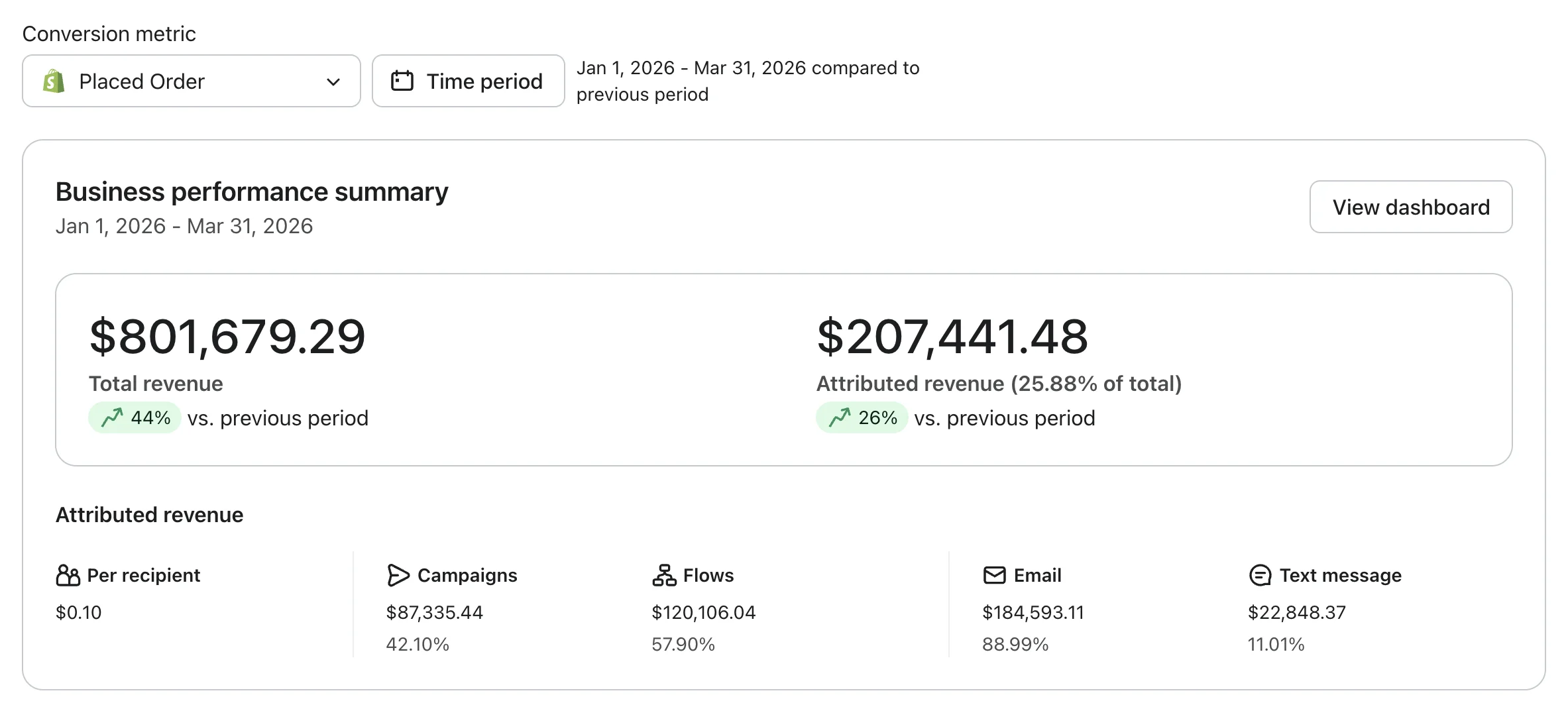
At its core, Klaviyo does two things: flows (automated emails triggered by customer behavior) and campaigns (manual sends you schedule). That's it. Everything else — segmentation, analytics, predictive data, integrations — exists to make those two things work better.
What makes Klaviyo different from Mailchimp or generic email tools is its ecommerce-native data layer. When someone browses a product, adds to cart, checks out, or goes dormant — Klaviyo knows, and you can trigger emails based on that behavior in real time. It also attributes revenue directly to each email and flow, so you know exactly what's working.
Klaviyo also handles SMS and push notifications from the same platform, using the same customer data and segments. For most of the brands we work with, email and SMS through Klaviyo drive 30-50% of total revenue.
Who Klaviyo is NOT for: If you're not selling products online through a trackable storefront (Shopify, WooCommerce, BigCommerce), Klaviyo's core value won't apply to you. B2B companies, SaaS businesses, and service providers are better served by HubSpot, ActiveCampaign, or similar platforms. Klaviyo is purpose-built for DTC ecommerce — and that focus is both its greatest strength and its clearest limitation.
Key Features of Klaviyo
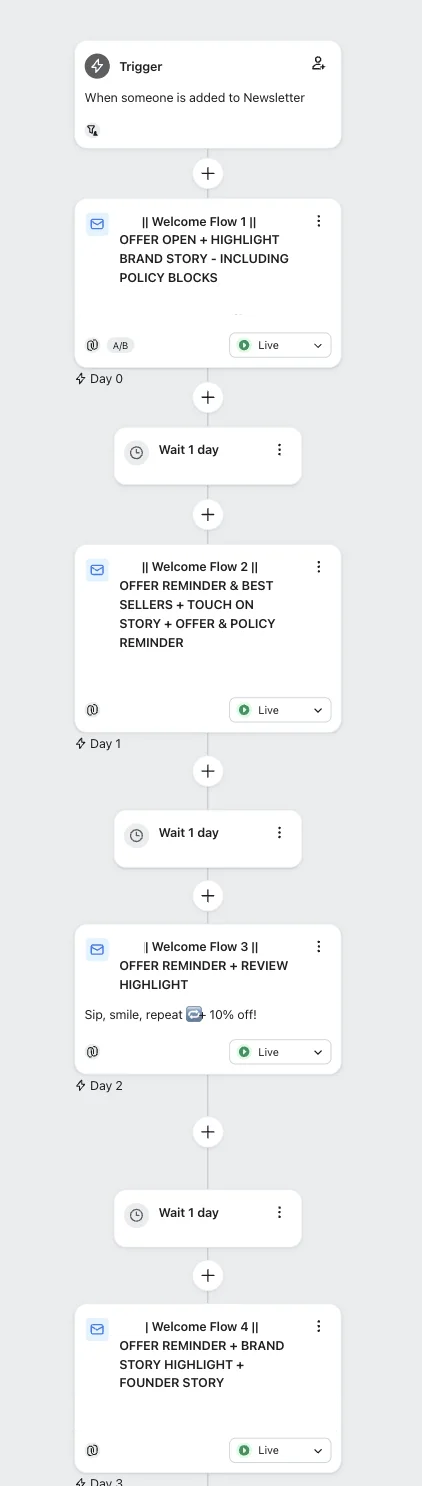
Klaviyo's core features—automation, segmentation, and predictive analytics—work together to help you send the right message to the right person at the right time.
Email Marketing Automation
One of Klaviyo's standout features is its ability to automate email marketing efforts, making it easier than ever to connect with customers and create highly personalized campaigns. Automated email flows, such as welcome series and abandoned cart emails, ensure that your marketing strategy is constantly working in the background without requiring manual intervention. To plan your flows effectively, use our free Klaviyo Flow Builder.
For most ecommerce brands, email marketing drives 30-40% of total revenue—and within that, flows and campaigns split roughly 50/50. Klaviyo's trigger-based system enables real-time communication that significantly boosts engagement and conversion rates.
Detailed Analytics
In the realm of email marketing, data is king, and Klaviyo’s detailed analytics provide a treasure trove of insights. The platform’s powerful reporting and analytics dashboard offers an easy-to-understand format, helping businesses make informed decisions based on real-time data. Klaviyo tracks key metrics such as open rates, click-through rates, and conversions, providing a comprehensive view of your email campaign performance.
Klaviyo also pulls in data from various sources, including emails, SMS, and eCommerce platforms, to create customizable reports that offer deep insights into customer behavior. Identifying underperforming KPIs and comparing them to industry averages helps businesses refine strategies to maximize ROI.
Predictive Analytics
Klaviyo’s predictive analytics feature is a powerful tool that leverages data science and machine learning to forecast future customer behavior. This feature allows businesses to predict customer lifetime value and churn risk, providing valuable insights that can guide marketing strategies.
Klaviyo’s predictive analytics analyze historical data to help businesses understand and anticipate customer needs, driving revenue and retention. This forward-looking approach ensures that your marketing efforts are always one step ahead, making it easier to deliver relevant content that resonates with your audience.
Integrating Klaviyo with E-commerce Platforms
One of Klaviyo’s greatest strengths is its seamless integration with major eCommerce platforms like Shopify and WooCommerce. This integration allows for synchronized customer data, enabling automated email marketing campaigns that are both timely and relevant. Whether you're sending abandoned cart emails or personalized product recommendations, Klaviyo's deep integration with these platforms enhances the efficiency and effectiveness of your marketing efforts.
Beyond storefronts, Klaviyo also integrates with platforms like Magento 2, shipping tools like AfterShip and ShipStation (for personalizing messages based on delivery status), and 350+ other tools across your tech stack.
Collecting and storing customer data from various touchpoints allows Klaviyo to enable advanced segmentation based on purchase history, demographics, and engagement levels. This targeted approach drives engagement and boosts sales, making Klaviyo an indispensable tool for eCommerce brands looking to thrive in a competitive market. Create powerful audience segments quickly with our Klaviyo Audience Builder.
Benefits of Using Klaviyo for Email Marketing
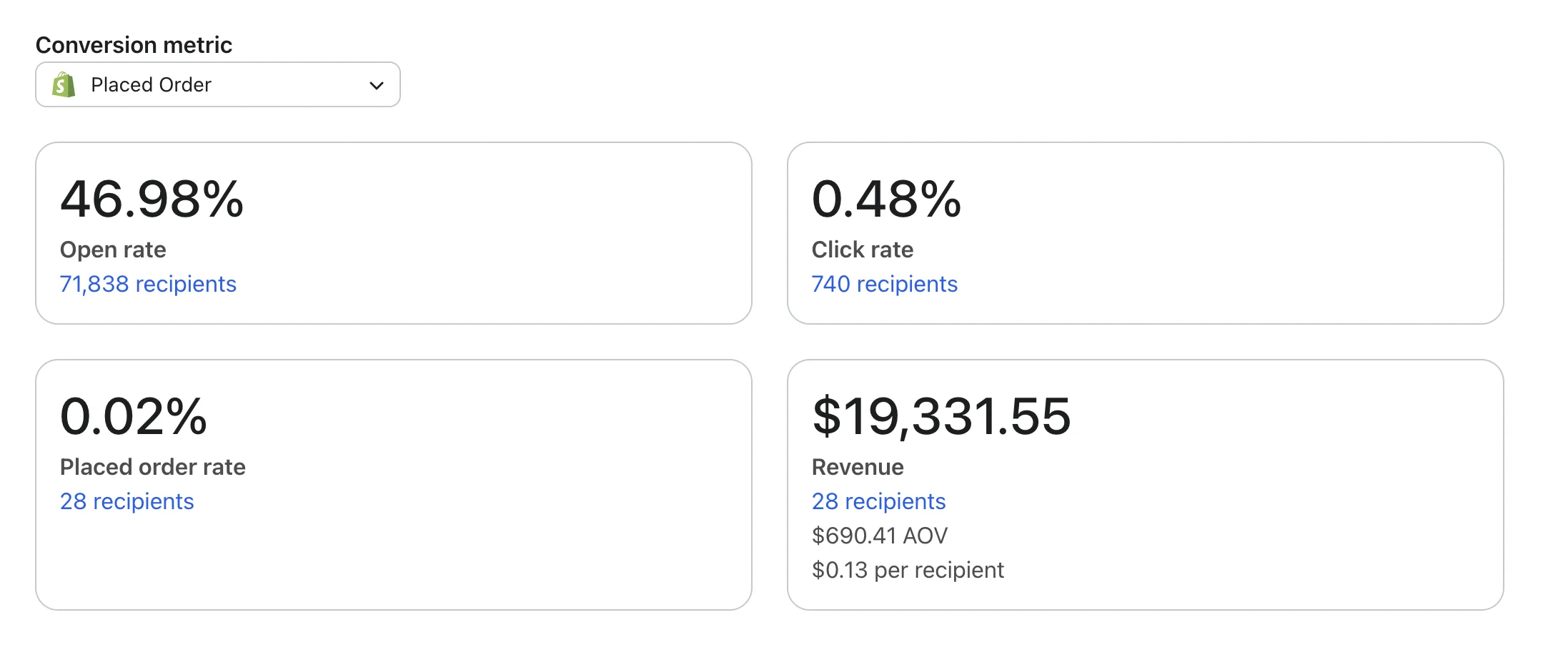
Using Klaviyo for email marketing offers tangible benefits: enhanced customer loyalty, higher conversion rates, and stronger customer relationships.
Enhanced Customer Loyalty
Klaviyo’s ability to create real-time segments based on various customer interactions allows for highly targeted messaging that boosts engagement. Automated email flows, such as welcome messages and cart recovery emails, play a crucial role in retaining customers by addressing specific stages in the customer lifecycle. These personalized emails create stronger connections with your customers, ultimately enhancing their loyalty to your brand.
Including compelling offers tailored to each audience segment can further enhance engagement and drive repeat purchases. Leveraging Klaviyo’s automation features ensures that marketing efforts are always on point, fostering long-term customer loyalty.
Higher Conversion Rates
Targeted emails are a proven way to enhance conversion rates, and Klaviyo’s advanced segmentation features make this process seamless. By sending emails that speak directly to specific customer needs, businesses can significantly improve their conversion rates. Dynamic coupons and targeted email campaigns sent with the right frequency can further boost these rates, driving more sales.
The right send frequency depends on your brand's revenue and audience size. Smaller brands might thrive with 5-6 campaigns per month, while larger brands can profitably send 20-25. The math is simple: if a campaign generates more revenue than it costs to create, send more. If not, scale back.
Improved Customer Relationships
Klaviyo’s personalization capabilities are key to strengthening customer relationships. Segmenting email lists based on specific customer behaviors helps create more relevant and engaging content that resonates with your audience. This approach maximizes revenue per recipient and ensures that your marketing efforts are always aligned with customer needs.
Regular communication through personalized emails nurtures existing customer relationships and keeps your brand top of mind. Klaviyo’s automation tools also support instant responses to customer interactions, enhancing engagement and satisfaction.
How Klaviyo Supports SMS Marketing
In addition to its robust email marketing capabilities, Klaviyo also excels in SMS marketing. Integrating SMS with email marketing, Klaviyo enables brands to create cohesive messaging strategies that enhance customer experiences across multiple channels. This integrated approach ensures that your marketing efforts are always aligned and working together to drive engagement and sales.
Klaviyo supports over 350 integrations, enabling personalized SMS experiences like shipping updates and reminders based on comprehensive customer data. The platform also includes built-in compliance features to ensure that your messages adhere to regulations, enhancing subscriber trust and overall campaign effectiveness.
What Klaviyo Doesn't Tell You
Klaviyo's marketing site makes it sound like you plug it in and revenue appears. Here's what they leave out:
Pricing climbs fast. The free tier and $20/month starting price look great. But pricing is based on your total active profiles — and once you hit 10,000-50,000 profiles, costs jump significantly. A brand with 100k profiles is paying $1,000+/month. If you're not actively suppressing unengaged profiles, you're paying for dead weight. Use our Klaviyo Bill Reducer to see where you can cut costs.
You need someone to actually run it. Klaviyo is not a "set it and forget it" platform. It gives you the tools, but someone needs to build the flows, write the emails, send campaigns, manage your list, and analyze results. The brands that get 30-50% of revenue from email have a dedicated person or agency running Klaviyo. The ones that set up a welcome flow and walk away? They get 5-10% at best.
Deliverability isn't automatic. Connecting Klaviyo to your store doesn't mean your emails land in inboxes. You need to authenticate your sending domain (DKIM, SPF, DMARC), warm up your sending reputation gradually, and maintain list hygiene. Skip these steps and your emails go straight to spam — especially with Gmail's 2024 sender requirements.
The template builder is fine, not great. Klaviyo's drag-and-drop editor handles most use cases, but it's not a design tool. If you want pixel-perfect branded emails, you'll likely design in Figma and code the HTML. The built-in templates are serviceable for getting started, but most serious brands outgrow them.
Migration is a project. Switching from Mailchimp, Omnisend, or another ESP isn't a one-click import. You'll need to rebuild every flow from scratch, re-import and clean your lists, set up new integrations, and re-establish your sending reputation. Plan for 2-4 weeks of transition work, not an afternoon.
AI features are overhyped. Klaviyo markets its AI subject line suggestions and content generation prominently. In practice, they're mediocre starting points. A human who knows your brand voice and audience will consistently outperform Klaviyo's AI suggestions. Use them as brainstorming aids, not replacements for strategy.
Support depends on your plan. Free and low-tier plans get email-only support with slow response times. Higher-tier plans get chat and dedicated support. If something breaks during a Black Friday send, response time matters — and you get what you pay for.
None of this means Klaviyo is bad — it's still the best platform for ecommerce email marketing. But knowing what does Klaviyo do and what it doesn't do for you sets realistic expectations. If you want help getting Klaviyo set up properly from the start, see how we work with brands.
Creating Effective Email Campaigns with Klaviyo
In Klaviyo, your email marketing has two halves: flows (automated sequences triggered by behavior) and campaigns (scheduled sends you create manually). In the industry, regular scheduled campaigns are often called BAU sends — "business as usual" — your ongoing promotional emails, newsletters, product launches, and seasonal content that keep your brand in front of customers between automated touchpoints.
Both matter. Flows run in the background converting high-intent shoppers. BAU campaigns drive traffic to your site, keep your list warm, and feed the flows by generating new browse and purchase activity. Most successful brands split their email revenue roughly 50/50 between the two.
Utilizing Email Templates
Klaviyo offers a variety of customizable email templates that help brands maintain their identity while communicating effectively with their audience. With advanced and highly customizable options, users can tailor their communications uniquely to reflect their brand’s voice and style. This ensures consistency and professionalism across all email campaigns.
The ‘drag-and-drop’ editor provided by Klaviyo simplifies the email design process, making it accessible even for users without coding skills. This ease of use allows businesses to quickly and efficiently create visually appealing emails that engage their subscribers and drive results.
Segmentation and Personalization
Segmentation and personalization are at the heart of effective email marketing, and Klaviyo excels in these areas. By segmenting email lists based on specific customer behaviors, businesses can create more relevant and engaging content that improves open and click-through rates while reducing unsubscribe rates. This targeted approach ensures that your emails resonate with your audience, driving higher engagement and conversions.
Klaviyo enables the creation of real-time segments based on predictive data and customer interactions, significantly enhancing relevance and improving revenue generation. Personalization based on customer data leads to increased revenue and better engagement rates, proving the effectiveness of a tailored marketing strategy.
Automated Email Flows
Automated email flows are essential for keeping customers engaged at various touchpoints throughout their journey. Businesses can automate workflows like welcome messages, post-purchase engagement, and cart abandonment follow-ups with Klaviyo, ensuring continuous interaction with customers. These automated flows help nurture leads and drive conversions without requiring constant manual effort.
For example, post-purchase upsell campaigns can re-engage customers who have not returned after their initial purchase, while a welcome flow builds relationships and maximizes lifetime value. The most successful Klaviyo users typically have ten or more automated flows in place, highlighting the importance of automation in effective email marketing.
Klaviyo Pricing
Klaviyo pricing is based on active profiles (contacts you're able to email). It's free up to 250 profiles, then starts at $20/month for 250-500 profiles. From there, it scales with your list size—a brand with 200,000+ profiles might pay $2,300/month or more. SMS is billed separately based on message volume.
Pricing changes frequently, so check Klaviyo's pricing page for current rates. For detailed comparisons, see our articles on Klaviyo vs Mailchimp and Klaviyo vs Omnisend.
Best Practices for Maximizing Klaviyo's Potential
Set up the right flows first. Start with the highest-revenue flows: welcome series, abandoned cart, and abandoned checkout (these are two different flows—don't combine them). Then add post-purchase flows for surveys and review requests, plus a sunset flow to automatically suppress inactive profiles and keep your list healthy.
Send campaigns consistently. The biggest mistake we see is brands not sending campaigns. If you're not sending, you're not feeding the flywheel—no traffic to your site means no flows triggered. You become irrelevant. Brands that go quiet get forgotten.
Segment by purchase behavior, not just engagement. Sending to "60-day engaged" is lazy and ineffective. Segment by customer vs. non-customer, first-time vs. repeat buyer, lapsed customers, and purchase recency. Read our guide on why you should segment by purchase behavior, not engagement.
Actually look at your results. Set up your flows, send your campaigns, and then review what's working. Most brands set things up once and never revisit them. Quarterly audits of your flows and campaign performance will reveal opportunities you're missing.
New to Klaviyo? Connect your Shopify (or WooCommerce) store first—Klaviyo will start syncing customer and order data immediately. Then set up your sending domain and authenticate it so your emails land in inboxes, not spam. Brand your templates with your logo and colors before launching any flows. The whole setup takes an afternoon, and Klaviyo's onboarding wizard walks you through most of it.
Success Stories: Ecommerce Brands Using Klaviyo
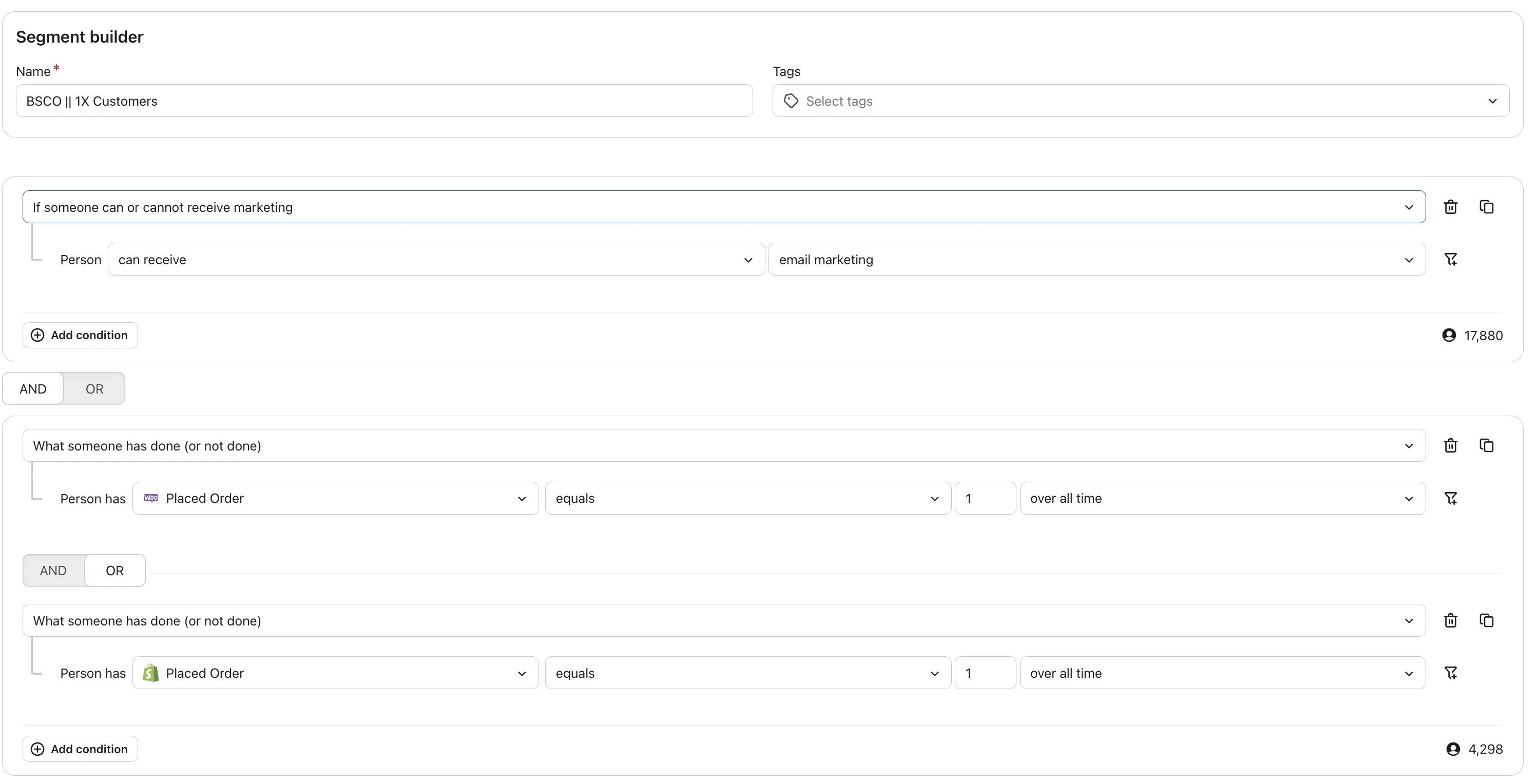
Many ecommerce brands see 30-50x ROI on their Klaviyo subscription cost alone (not counting agency fees or internal time). For a brand generating $100k in monthly revenue, it's common to see $30-40k of that driven by email marketing.
The key is consistency. Brands that combine email and SMS marketing through Klaviyo and send regularly tend to outperform those who treat email as an afterthought. See how we helped Bussin Snacks achieve impressive results in our Bussin Snacks case study.
Need Help Setting Up Klaviyo?
We're Klaviyo specialists who've helped brands drive 30-50% of their revenue through email. From setup to advanced flows, we can help you get the most out of the platform.
Summary
Klaviyo stands out as a leading marketing automation platform that offers a robust set of features designed to enhance email marketing efforts. From automated email flows and detailed analytics to predictive insights and seamless eCommerce integration, Klaviyo empowers businesses to create highly personalized and effective marketing campaigns. By leveraging Klaviyo’s capabilities, businesses can drive higher engagement, boost conversions, and build stronger customer relationships. Start using Klaviyo today and take your email marketing to the next level.
Frequently Asked Questions
What does Klaviyo actually do day-to-day?
On any given day, Klaviyo is doing two things for your brand: running automated flows (welcome series, abandoned cart, post-purchase, etc.) in the background, and sending the campaigns you schedule manually (promotions, newsletters, product launches). It tracks who opens, clicks, and buys from each email, and attributes revenue directly so you can see what's working.
Is Klaviyo worth it for small brands?
If you're doing at least a few hundred orders per month and have a growing email list, yes. The free tier lets you test the platform, and at $20-60/month for small lists, the ROI is easy to justify if you're actually sending. If you're pre-launch or doing fewer than 50 orders/month, a simpler tool like Mailchimp may be more cost-effective until you have enough customer data for Klaviyo's segmentation to matter.
Why use Klaviyo instead of Mailchimp or Omnisend?
Klaviyo's edge is its ecommerce data layer. It pulls in purchase history, browsing behavior, and predictive analytics at a depth that Mailchimp and Omnisend don't match. If you're serious about segmenting by customer lifetime value, purchase frequency, or predicted churn — Klaviyo is the better platform. If you just need to send a monthly newsletter, it's overkill.
What is BAU in Klaviyo?
BAU stands for "business as usual" — it refers to your regular scheduled email campaigns (as opposed to automated flows). These are the promotions, content emails, product launches, and newsletters you send on a recurring basis. BAU campaigns keep your audience engaged between flow triggers and drive site traffic that feeds your automation.
How does Klaviyo work with Shopify?
You install the Klaviyo app from the Shopify App Store, and it syncs your customer profiles, order history, product catalog, and browsing data automatically. From there, you can trigger flows based on Shopify events (placed order, started checkout, viewed product), segment by purchase behavior, and see revenue attributed to every email and SMS you send.
What are Klaviyo's biggest limitations?
Pricing that scales aggressively with list size, a template builder that's functional but not best-in-class for design, AI features that underperform their marketing, and support quality that varies by plan tier. It also requires active management — it's not a tool you can set up once and ignore. For a full breakdown, see our honest assessment above.